Outage Management System

A modern command center for utility operations
Modern Outage Management System (OMS) for electricity distribution companies — enabling faster detection, smarter response, and rapid restoration of power outages.
Project Overview
// section.overview
A modern digital platform for managing power outages
The Kesinti Yönetim Sistemi (KYS / Outage Management System) is a comprehensive web-based platform developed for electricity distribution companies in Turkey. It helps control center operators and field teams quickly detect, analyze, manage, and resolve both planned and unplanned power outages across the Turkish electricity grid.The system integrates with SCADA, GIS, and customer information systems to deliver real-time visibility, intelligent incident management, and coordinated restoration efforts — ultimately reducing outage duration and improving service reliability for millions of customers.

Project Problem
// section.problem
Slow and fragmented outage response in Turkey’s distribution network
Stakeholder Needs
// section.stakeholder.needs
Real-time situational awareness
Surface outages, impacted areas, and crew status in a single dashboard so operators can act quickly.
Fast, reliable workflows
Enable dispatch and incident management flows that reduce manual handoffs and improve team coordination.
Actionable reporting
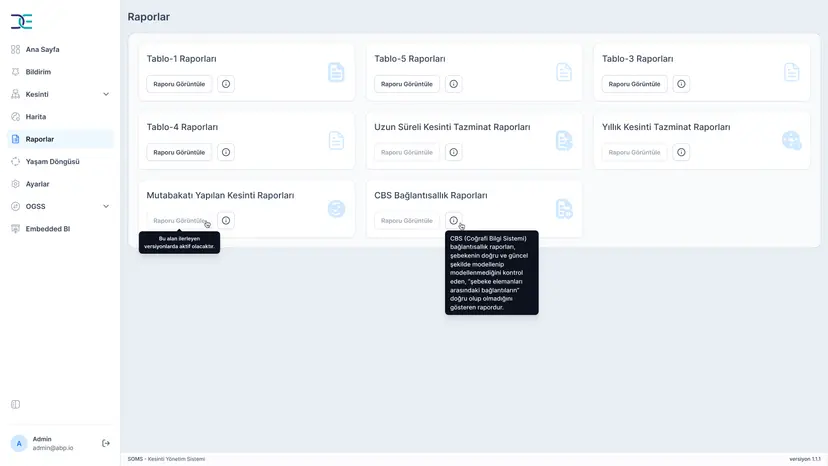
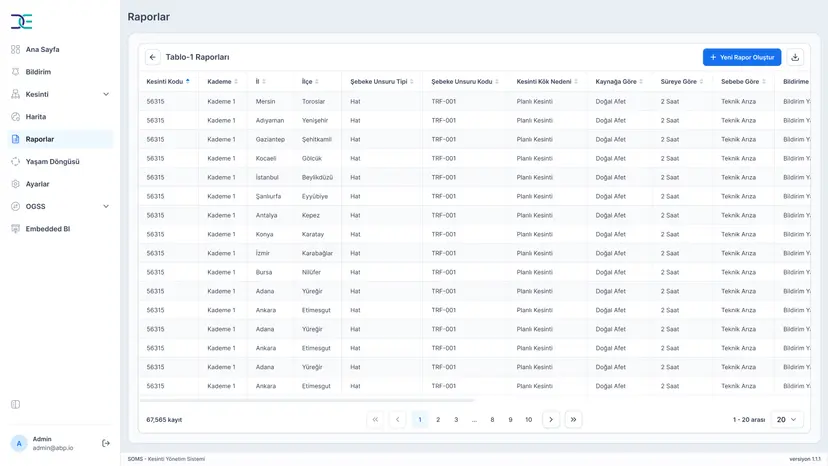
Deliver clear operational metrics and exports for compliance and post-incident review.
Rapid incident triage
Make it easy to identify priority issues, review details, and escalate without unnecessary clicks.
Clear operational hierarchy
Present the most critical signals first so teams stay focused when timelines are tight.
User Needs
// section.customer.needs
Design Process
// section.design.process
Requirements
Gathered product needs, technical constraints, and stakeholder priorities.
Architecture
Defined component structure, layout systems, and data flow for the app.
Development
Built responsive UI components, interactive dashboards, and map views.
Design System
Integrated reusable tokens and visual patterns for consistency.
Integration
Connected UI components with real-time outage data and backend APIs.
Quality
Validated behavior with testing, accessibility checks, and performance review.
Delivery
Deployed the frontend and documented the handoff for future development.
Solution
// section.solution
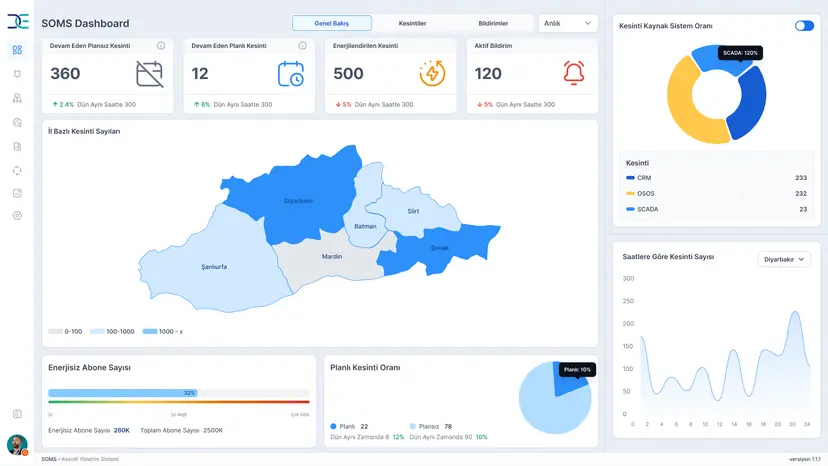
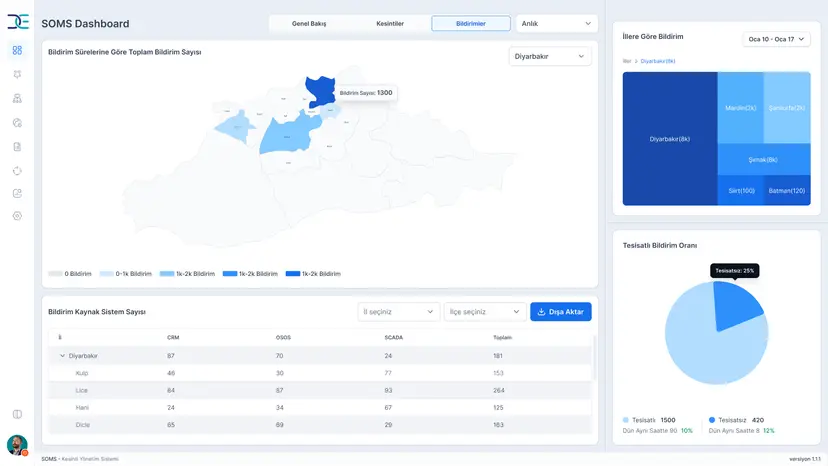
Interactive dashboards
DashboardBuilt responsive dashboards that surface outage alerts, incident status, and key operational metrics in real time.
Incident workflows
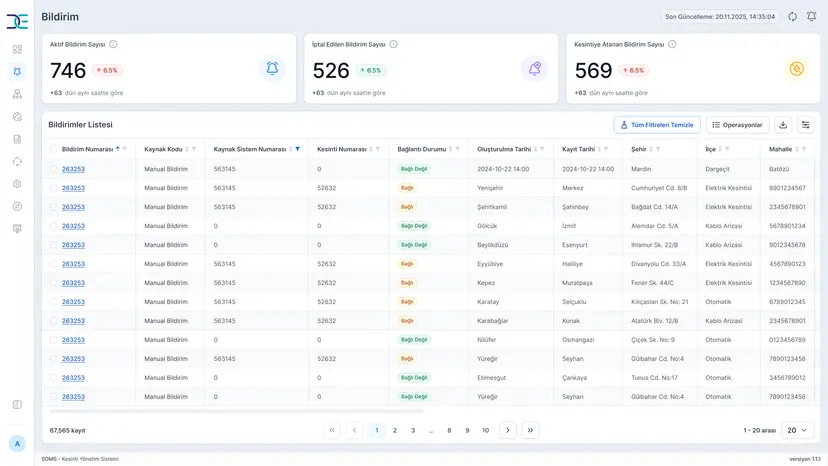
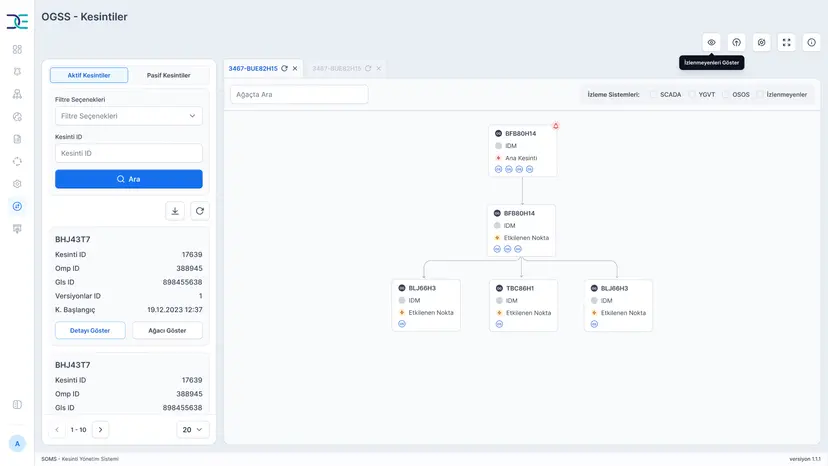
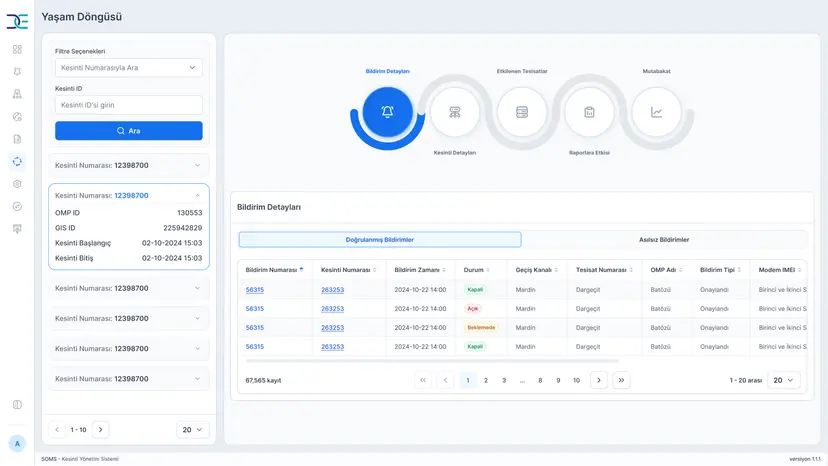
WorkflowImplemented structured outage and notification flows to improve coordination between control room and field teams.
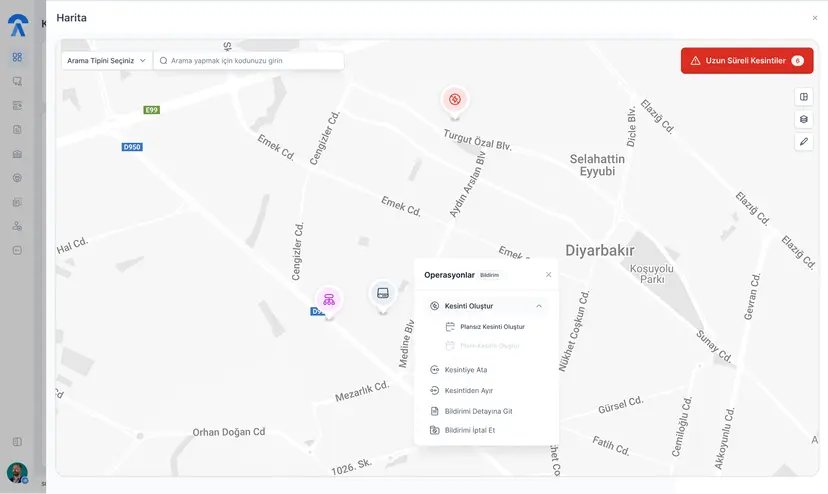
Map-first operations
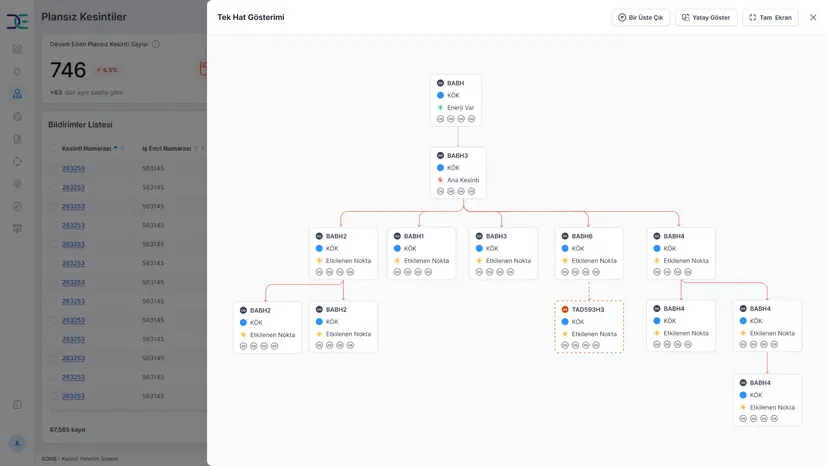
MapsCreated interactive geospatial views that reveal outage impact and help teams locate affected assets quickly.
Component-driven UI
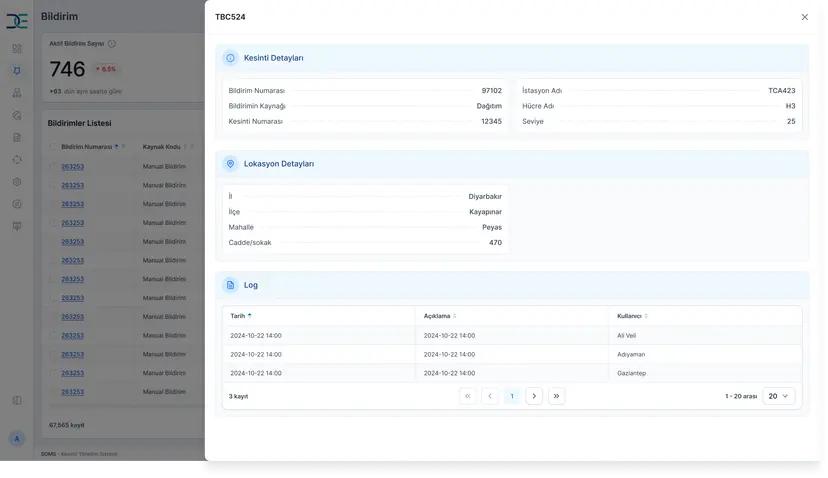
FrontendBuilt reusable interface modules for tables, filters, alerts, and detail panels so the experience stayed scalable and consistent.
Key Screens
// section.key.screens
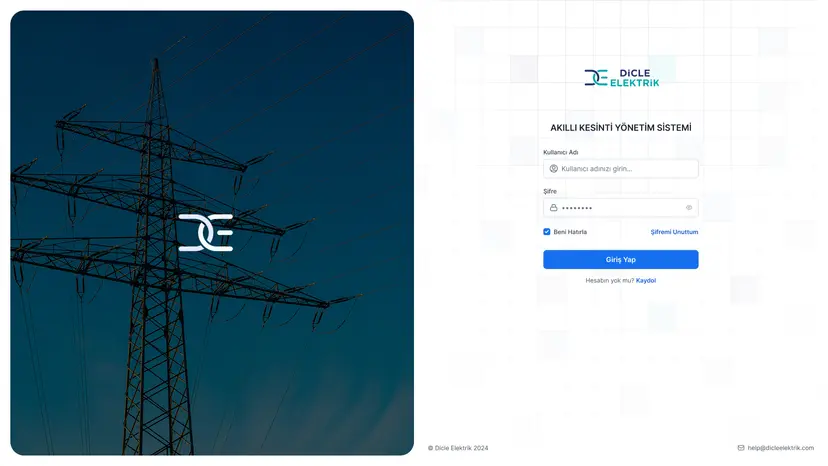
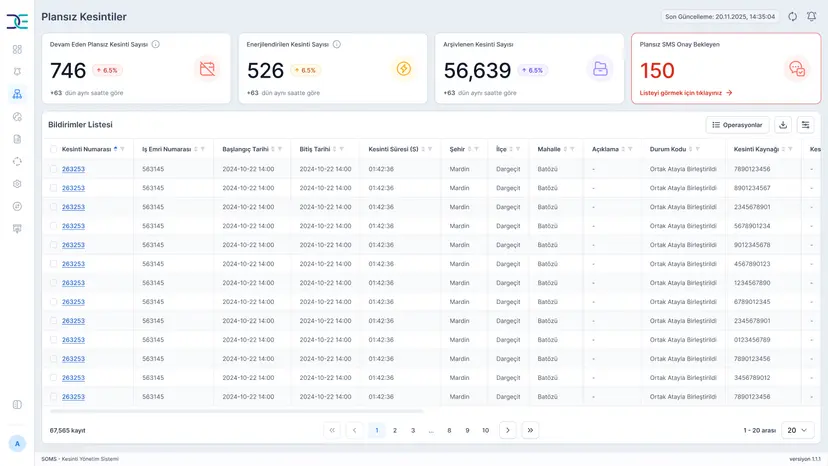
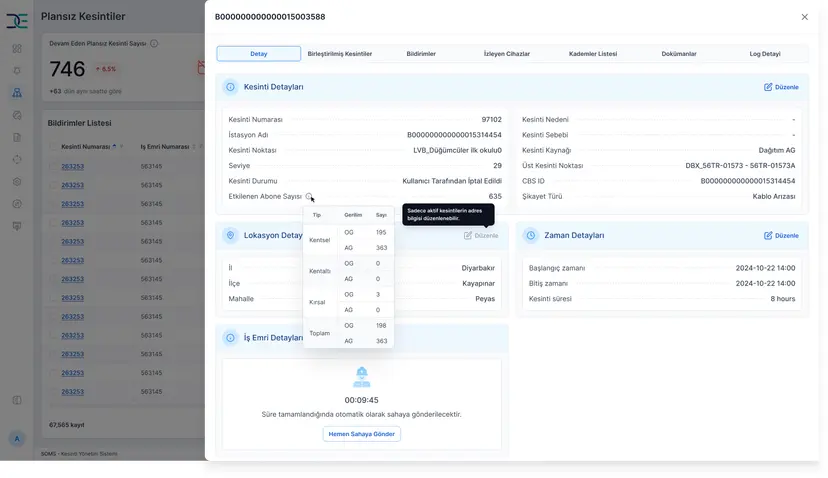
Key Learnings
// section.learning.reflections
Design for scale
Built a modular frontend structure capable of supporting future analytics, reporting, and field operations features.
Prioritize clarity
Focused on clear data presentation and streamlined interactions so operators can work faster with less error.
Balance depth with usability
Delivered a rich operational experience without overwhelming users with too much information at once.
Build for reliability
Designed interactions and data flows to stay dependable even during peak load and changing incident conditions.
Adapt to varied teams
Worked across teams with different processes, priorities, and technical experience while keeping delivery aligned.
Balance customer and technical needs
Managed customer expectations and operational requirements while shaping the frontend solution for real-world constraints.
Next Project
Continue to my design system work
Front-End Developer







Let's Talk
Ready to build something great together?
I'm currently available for new opportunities and exciting projects.
Feel free to reach out — I usually reply within 24 hours.